
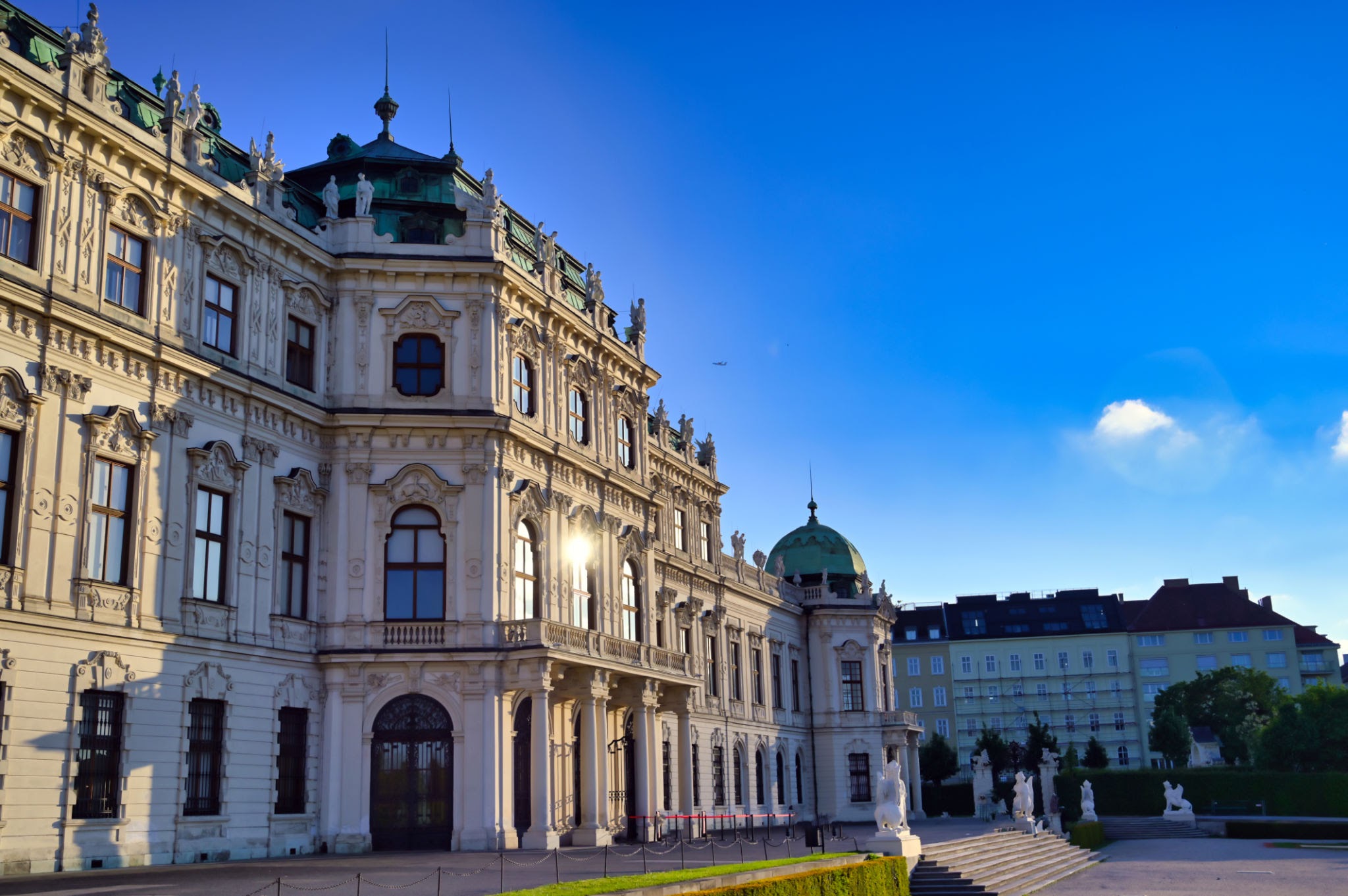
There is a unique magic to crossing European borders. In the span of a single afternoon, you can board a train in a hyper-modern metropolis, watch the architecture melt from sleek glass into medieval stone, and arrive in a completely different country where a new language is spoken, a new culinary philosophy reigns, and a distinct history flavors the air.
Europe has long been the crown jewel of global tourism, drawing hundreds of millions of wanderers every year. But the landscape of travel is shifting. Today’s travelers are moving past the old “if it’s Tuesday, this must be Belgium” mindset. Instead, they are seeking deeper connections, authentic cultural immersion, and experiences that linger long after the passport stamps fade.
Whether you are planning a maiden voyage to the classics or looking to uncover hidden corners that standard guidebooks overlook, this comprehensive guide explores the best of Europe, balancing timeless bucket-list wonders with the emerging trends redefining modern travel.
1. The Evolution of European Tourism: The Rise of Slow Travel
For decades, European travel followed a predictable script: land in Heathrow, race through the Louvre in Paris, take a selfie leaning against the tower in Pisa, and fly out of Amsterdam. While those iconic landmarks earned their fame for a reason, a major shift is occurring across the continent: the rise of slow travel.
(Above: Embracing slow travel on a quiet morning in Florence, Italy)
Slow travel is an intentional philosophy. It rejects the checklist approach to tourism and instead prioritizes connection—to local people, cultures, food, and music. Instead of visiting five countries in ten days, a slow traveler might spend all ten days exploring a single region like Portugal’s silver coast or Italy’s Umbria region.
Why Slow Travel Matters in Europe
- Combatting Overtourism: Classic destinations like Venice, Dubrovnik, and Amsterdam have faced severe strain from overcrowding. By slowing down and stepping slightly off the beaten path, travelers relieve pressure on these fragile ecosystems while injecting economic support into communities that truly benefit from tourism.
- Deeper Cultural Immersion: Spending a week in one neighborhood allows you to find “your” local bakery, converse with the shopkeepers, and understand the rhythm of daily life.
- Reduced Environmental Footprint: Traveling shorter distances, taking trains instead of short-haul flights, and staying longer in one place significantly lowers your carbon footprint.
2. Navigating Europe’s Diverse Regions
Europe may be one of the smallest continents, but its cultural and geographical density is unmatched. To plan the perfect itinerary, it helps to understand the distinct personalities of its regions. places in europe to visit
The Western Classics: History, Art, and Elegance
(Above: The illuminated Eiffel Tower, a timeless icon of Western Europe)
Western Europe—encompassing France, the UK, Ireland, Germany, Belgium, the Netherlands, and Switzerland—is the traditional epicentre of tourism.
- The Appeal: World-class museums, efficient infrastructure, and legendary culinary scenes.
- The Highlight: Beyond the capitals, Western Europe shines in its rural tapestry. Consider the fairy-tale half-timbered villages of Germany’s Romantic Road, the pristine alpine lakes of Switzerland, or the dramatic, windswept cliffs of Ireland’s Wild Atlantic Way.
The Mediterranean Allure: Sun, Sea, and Soul
(Above: The iconic blue domes and whitewashed houses of Santorini, Greece)
Southern Europe—including Spain, Italy, Portugal, Greece, and Croatia—is defined by its relationship with the sun and the sea.
- The Appeal: A relaxed pace of life (la dolce vita, la siesta), ancient history stretching back millennia, and vibrant, fresh gastronomy.
- The Highlight: While the Amalfi Coast and Santorini get the headlines, look to the rugged interior of Spain’s Andalusia, the dramatic stone towns of Italy’s Puglia region, or the olive-grove-blanketed hills of Greece’s Peloponnese peninsula for an authentic, unhurried Mediterranean experience.
The Nordic Frontier: Design, Nature, and Wellness
(Above: A solitary explorer in a breathtaking Norwegian fjord)
Northern Europe—comprising Denmark, Sweden, Norway, Finland, and Iceland—offers a starkly beautiful alternative to the sun-drenched south.
- The Appeal: Jaw-dropping natural landscapes, avant-garde design, and a cultural emphasis on wellness and outdoor living (friluftsliv).
- The Highlight: Chasing the Northern Lights in Finnish Lapland, hiking along Norway’s dizzying fjords, or relaxing in Iceland’s geothermal pools. Northern Europe teaches us to embrace nature in its purest form.
The Eastern Renaissance: Untamed Nature and Living History
(Above: Bled Castle and the misty Julian Alps in Slovenia)
Eastern Europe and the Balkans—including Poland, Hungary, the Czech Republic, Romania, and Bulgaria—represent the fastest-growing frontier in European travel.
- The Appeal: Exceptional value for money, incredibly rich complex histories, and vast areas of wilderness untouched by commercial tourism.
- The Highlight: Wandering the beautifully preserved medieval old town of Kraków, exploring the mysterious castles of Romania’s Transylvania, or sailing through the fjord-like Bay of Kotor in Montenegro.
3. Unveiling Europe’s True Hidden Gems
To truly experience the “best of Europe,” one must occasionally step off the paved highway and onto the gravel path. Here are four exceptional destinations that offer all the charm of Europe’s major icons, but with a fraction of the crowds.
Alentejo, Portugal: The New Tuscany
While tourists flock to the beaches of the Algarve or the historic streets of Lisbon, the Alentejo region occupies a massive, sun-baked expanse of central-southern Portugal. Characterized by rolling plains, cork oak forests, and olive groves, Alentejo is a haven for wine lovers and those seeking quietude. The historic city of Évora offers Roman ruins and medieval walls, while the coastline features some of the most dramatic, undeveloped beaches in Europe.
The Julian Alps, Slovenia: An Outdoor Paradise
Slovenia is one of Europe’s best-kept secrets, and the Julian Alps are its crown jewel. While neighboring Austria and Italy attract millions of skiers and hikers, Slovenia offers the same jagged limestone peaks, emerald-green rivers (like the legendary Soča), and crystal lakes (like Lake Bled and Lake Bohinj) at a lower cost and with an incredibly peaceful atmosphere.
Wrocław, Poland: The City of Bridges and Gnomes
Prague and Budapest are legendary for city breaks, but Wrocław (pronounced Vrot-swaf) matches them in architectural beauty and surpasses them in sheer whimsy. Built across multiple islands on the Oder River, the city is connected by over a hundred bridges. As you wander past its colorful Gothic and Baroque townhouses, you can hunt for the hundreds of tiny bronze gnome statues hidden throughout the streets—a legacy of a 1980s anti-communist protest movement.
Parga and the Ionian Coast, Greece: Mainland Magic
When people think of Greece, they automatically look for ferry schedules to the Cyclades. However, the mainland coastline along the Ionian Sea holds treasures like Parga. Built into an amphitheater-shaped hillside overlooking a turquoise bay, Parga features colorful houses, a Venetian castle, and stunning beaches, giving you an island feel without ever leaving the mainland.
4. Master Modern European Travel: Logistics and Pro-Tips
A successful trip to Europe relies heavily on smart logistics. Because the continent is highly connected, a little bit of strategic planning goes an exceptionally long way.
(Above: Efficient rail travel through the scenic French countryside)
The Golden Rule of Transit: Embrace the Rails
Europe has the most sophisticated rail network on earth. High-speed trains like the Eurostar, TGV, and Frecciarossa seamlessly connect major city centers, often moving you from downtown to downtown faster than flying when you factor in airport security and transit times.
- Pro-Tip: Download apps like Omio or Trainline to compare rail, bus, and flight options in real-time. If you plan on extensive cross-border travel, investigate whether a Eurail Pass makes financial sense for your itinerary.
Timing is Everything: The Magic of the Shoulder Season
If you want to experience the best of Europe, avoid July and August at all costs. This is when the heat peaks, prices skyrocket, and locals take their own vacations, meaning many authentic shops and restaurants close.
- The Sweet Spot: Aim for the shoulder seasons—May to June or September to October. The weather is mild, the crowds are manageable, and flight and accommodation prices drop significantly.
Pack Light, Travel Far
European cities are historic. This means cobblestone streets, narrow stairwells, and tiny elevators (or no elevators at all) in historic boutique hotels and guesthouses. Dragging a massive 50-pound suitcase over 500-year-old stones is a quick way to ruin your trip.
- The Goal: Limit yourself to a sturdy, rolling carry-on and a comfortable daypack. If you need more clothes, remember that laundromats (laveries or lavanderías) are an easy, culturally interesting way to spend an hour interacting with locals.
5. Food as a Gateway to Culture
(Above: Authentic culinary experiences at a market in Barcelona, Spain)
You cannot understand Europe without understanding its relationship with food. In Europe, dining is not merely fuel; it is a ritual, a cultural anchor, and an art form.
To eat well in Europe, you must follow the locals. Avoid any restaurant that features menus translated into five different languages with laminated pictures of the food outside, especially if it sits directly across from a major tourist monument. Walk three blocks into the residential side streets. Look for small taverns, bistros, or osterias where the menu is handwritten, short, and changes daily based on what was fresh at the market that morning.
Engage with regional specialties: sample smoked sheep’s cheese in Poland’s Tatra mountains, sip crisp Albariño wine on the coast of Galicia in Spain, or enjoy a fresh pastry in a Viennese coffeehouse. These culinary moments often become the core memories of your journey.
Conclusion: Designing Your Perfect European Journey
The beauty of Europe is that it adapts to whoever is visiting. It can be an adrenaline-fueled alpine adventure, a deep dive into art history, a relaxing coastal escape, or a culinary pilgrimage.
As you plan your next trip and look for resources on websites like best-of-europe.com, remember that the best travel itineraries leave room for the unexpected. Leave an afternoon blank. Sit at a sidewalk cafe, order a coffee or a glass of local wine, and just watch the world go by. It’s often in those unscripted moments—when you aren’t rushing to a museum or trying to catch a train—that Europe truly reveals its soul to you.
Leave a Reply